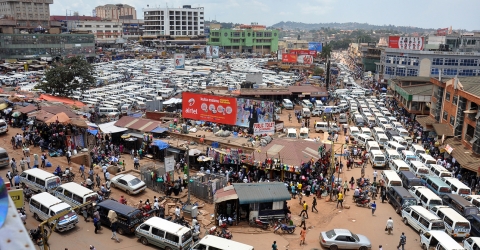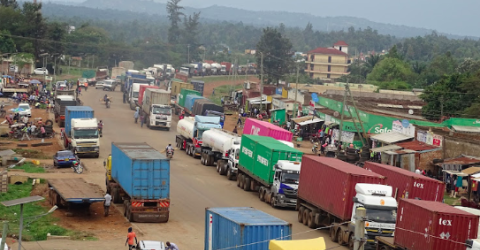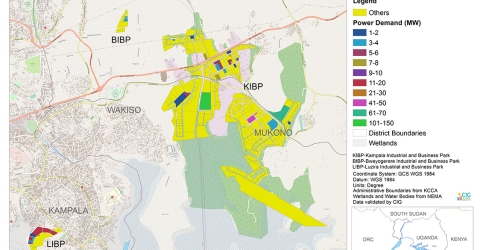
ORI works with national and local governments, city authorities, international development clients, civil society, and the private sector to build the enabling framework for investment in resilient infrastructure, green and smart cities, and sustainable transport and mobility, including greener transport systems.
Good quality infrastructure is key to unlocking broad-based economic growth and prosperity. The return on investment from improved access to essential infrastructure, such as electricity, water, urban sanitation, roads, and information and communication technology, can help Africa's population achieve exponential progress in its development aspirations.
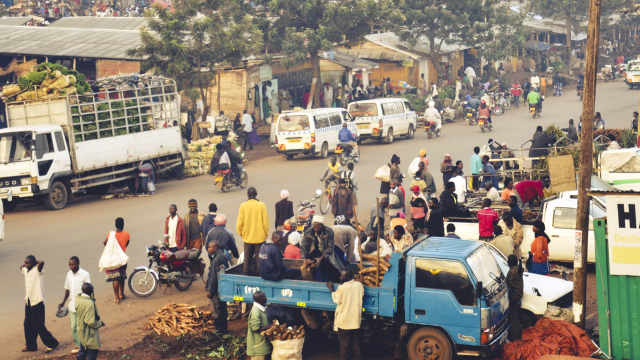
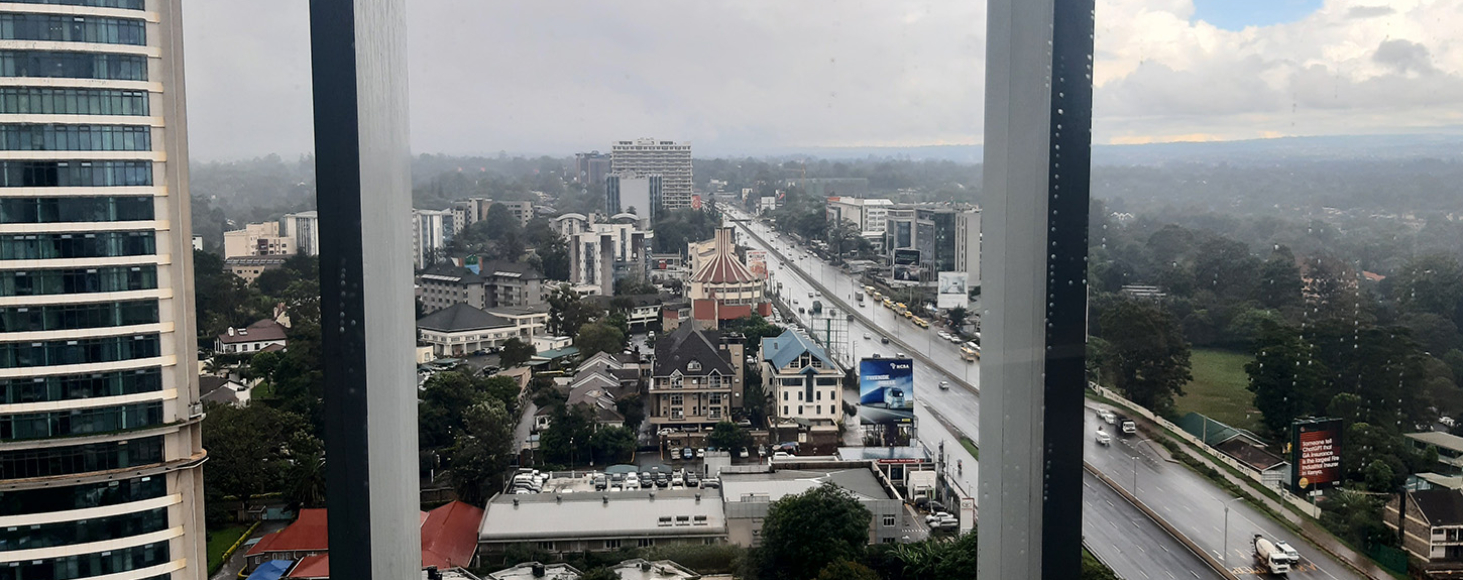
Cities are uniquely positioned to serve as vital connectors in supporting structural transformation and delivering economies of agglomeration and scale. Moreover, cities offer the advantages of an integrated ecosystem, thereby pulling in populations in their fullest diversity and density of expertise, innovation, and change.
In the meantime, Africa’s urban population is expected to triple from 400m in 2010 to 1.2 billion in 2050. However, poor urban planning, low infrastructure investment, inadequate governance, and environmental damage present urgent and complex challenges that can lock cities into dysfunctional forms. Urbanization without reform and modernization will hinder cities from fulfilling their social and economic potential.